Malik Beasley plans to plead guilty in NBA betting case: What we know
The former guard’s lawyer says he will appear in federal court in Brooklyn on December 9. Prosecutors accuse him of altering his play for Milwaukee in 2024 to benefit bettors; he has not yet formally entered a guilty plea.
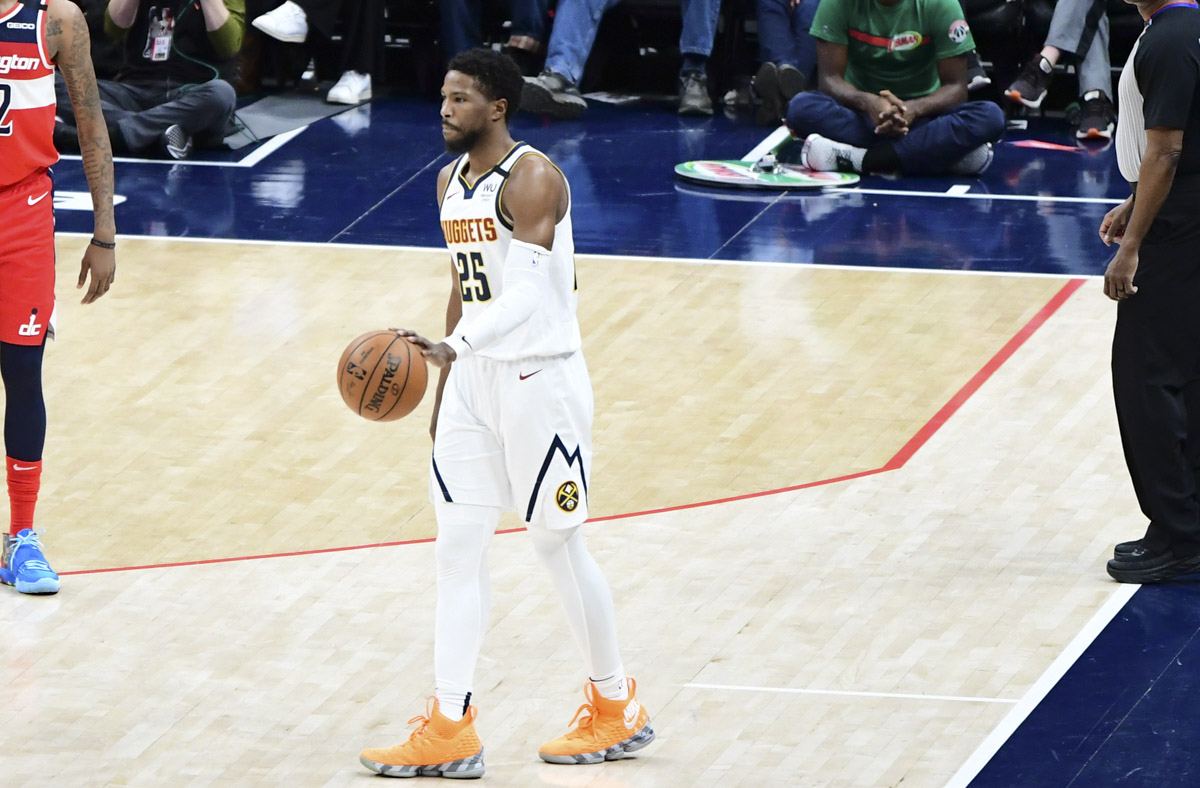
Malik Beasley’s federal case took a turn on Tuesday, October 27. Steve Haney, the former NBA player’s lawyer, told The Athletic and ESPN that his client intends to plead guilty to federal charges connected to sports betting. The hearing is scheduled for December 9 in Brooklyn, New York. That would mark a significant change from July, when Beasley pleaded not guilty. One distinction remains essential: the hearing has not taken place, and the precise terms of any guilty plea have not been made public.
The development has returned the former Detroit Pistons sharpshooter to the center of a case concerning his time with the Milwaukee Bucks. The federal indictment, filed in June 2026, alleges that Beasley agreed to alter aspects of his play in several 2024 games. Other people involved, prosecutors say, then used that nonpublic information to bet on his individual statistics.
What the lawyer’s announcement changes
On Saturday, October 24, Haney told The Associated Press that he was negotiating with prosecutors and expected a decision within days. ABC News reported that a notice concerning a possible change of plea had already appeared on the court docket. Tuesday’s report goes further: the lawyer said Beasley would plead guilty at the hearing scheduled for December.
That announcement is not a conviction. Nor does it disclose which specific charges Beasley might admit, what sentence he could face, or whether a final agreement with prosecutors exists. Those details must come from court documents or the hearing itself. Until then, the indictment sets out the prosecution’s account, not facts established by a court.
What prosecutors allege against Malik Beasley
In June, the US Attorney’s Office for the Eastern District of New York charged six people, including Beasley and former NBA player Edward Davis, with alleged conspiracies involving wire fraud, bribery in sporting contests and money laundering. The investigation concerns bets on measurable parts of Beasley’s performance, such as his points and rebounds, while he was on the Bucks’ roster.
According to the indictment, Davis acted as an intermediary and passed other bettors information about the performance Beasley had allegedly agreed to produce. Prosecutors say Beasley’s gambling debts to Davis were reduced or paid in return. Among the examples cited in the indictment are Milwaukee games against the Cleveland Cavaliers on January 26, 2024, the Charlotte Hornets on February 27 and the Los Angeles Clippers on March 10. In each instance, these are allegations made by the federal government. The existence of a game statistic or a wager does not, by itself, prove that an athlete manipulated a game.
The case is also more specific than an investigation into whether a player personally placed bets. Prosecutors describe an alleged exchange of advance information about Beasley’s own performance and an alleged deliberate alteration of that performance to benefit wagers. Beasley and the other defendants retain the presumption of innocence unless and until a court establishes responsibility.
Who Beasley is and why the case matters to the NBA
Beasley, 29, played nine seasons in the NBA and made three-point shooting his main offensive weapon. His most recent season in the league, 2024-25 with Detroit, was among the best of his career: he appeared in all 82 games, averaged 16.3 points and made 319 three-pointers. According to NBA statistics, that was the league’s second-highest total that season, just one behind Anthony Edwards.
The betting investigation affected his prospects in the league after that season. His on-court record helps explain why the news reaches beyond the courtroom: the charges raise questions about trust in the statistics used for betting markets and the principle that players compete without prior commitments to bettors. A guilty plea in the criminal case, if formally entered, would not by itself establish what decision the NBA will make about his career.
The next significant date is December 9. For now, what is confirmed is his lawyer’s announcement and the existence of the federal indictment. What Beasley will admit, on what terms and with what consequences must be established by the hearing and the case documents.