Kenya finds Paul Mackenzie guilty of murdering 191 people in the Shakahola cult case
The verdict over the deaths of 190 children and one adult holds the preacher and other members of his organization criminally responsible. The trial exposed a system of isolation, forced fasting and violence against those who tried to escape.
A Kenyan court on Monday, October 19, found preacher Paul Mackenzie guilty of murdering 191 people, including 190 children, in the Shakahola cult case. The judgment holds him criminally responsible alongside other members of an organization whose followers were subjected to fatal fasting on the promise of salvation. The verdict comes three years after the discovery of mass graves revealed the scale of the deaths.
Judge Diana Kavedza-Mochache found that the defendants had participated in an organized system of radicalization and food deprivation, according to Citizen Digital's coverage. The case before the court concerned 190 children and one adult. That figure does not represent all the bodies found at Shakahola, where exhumations have uncovered hundreds of victims.
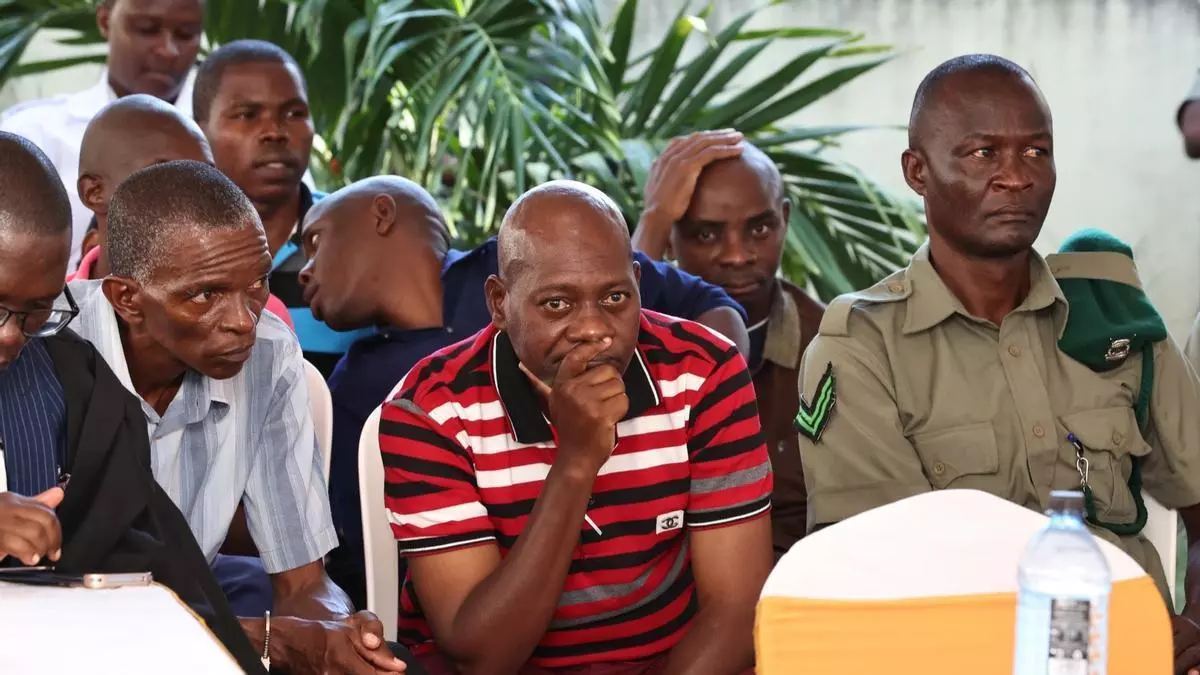
The judgment was delivered in Mombasa, where relatives traveled from communities along the coast to attend. AFP described the wait for Francis Wanje, who lost eight family members, including his daughter and two grandchildren. Before the decision was announced, he expressed hope for a ruling that would help prevent anything similar from happening again.
A system of control that went beyond fasting
The court examined how religious authority became control over everyday life. Citizen Digital reported that followers were encouraged to abandon formal education, reject medicine and public institutions, and isolate themselves in the forest. Fasting came at the end of a process that weakened their ties to the outside world.
The Kenya Times described testimony about Mackenzie's use of apocalyptic interpretations of biblical texts. Some followers left their jobs, withdrew their children from school and moved to the settlement. The promise of salvation was accompanied by growing distrust of hospitals, public registries and any authority outside the group.
The prosecution's case went beyond the existence of extreme beliefs. It presented evidence of how instructions were issued and compliance enforced. According to reporting on the trial, those who resisted could be beaten, restrained or confined. Child survivors described being denied food and water even when supplies were available.
Children could not consent to their own deaths
The protection of children was central to the judgment. Citizen Digital reported that the judge rejected the argument that children could validly consent to being starved to death. She also held that parental responsibility requires protecting children's lives, not subjecting them to deadly religious practices.
That distinction has particular significance in this trial. Witness accounts described children who depended on adults for food, permission to leave and access to care. Presenting their deaths as each follower's spiritual choice would obscure both the coercion and the obligations of those responsible for looking after them.
The court also examined the settlement's organizational structure. Accounts carried by the Kenyan press described duties that included keeping watch, passing on orders, moving people and burying bodies. The responsibility established in the verdict extends beyond the preacher's words to the conduct of those who helped maintain the system.
Forensic evidence and the limits of identification
Forensic reports and autopsies formed part of the evidence, alongside testimony from survivors, investigators and relatives. The Kenya Times reported findings that included deaths from starvation and signs consistent with suffocation, neck compression and traumatic injuries. The deaths therefore cannot all be described as the result of voluntary fasting.
The decomposition of some remains made it difficult to establish an individual cause of death. Coverage of the trial explained that the court assessed the circumstances and testimony as a whole, alongside the available medical findings. Identifying victims and reconstructing what happened requires more than any single piece of evidence.
The Star described a lengthy delivery of the judgment in a temporary courtroom under a tent on the Mombasa court grounds. Director of Public Prosecutions Renson Ingonga was among those present. The proceedings set out how the court had evaluated testimony and evidence accumulated during the trial.
A tragedy uncovered in 2023 does not end with this verdict
Mackenzie was arrested in April 2023 after a tip led to the rescue of followers and an operation that uncovered numerous shallow graves. The exhumations turned a local investigation into a case of national significance. Some victims remain unidentified, AFP noted.
The preacher had encountered the justice system before. He was arrested on radicalization allegations in 2017 in a case that ended in his acquittal. That history has fueled debate in Kenya about warning signs and oversight of religious organizations, although it does not replace the evidence in the murder case now decided.
Mackenzie also faces other homicide and terrorism proceedings, which are separate from this verdict on 191 murders. For the families, the judgment establishes responsibility for part of the tragedy; it does not automatically identify every set of remains or resolve the other cases. Shakahola still demands both a criminal justice response and the work of restoring names and histories to those who died.