Kroger plans to cut 3,000 corporate jobs over three years as it expands AI use
Greg Foran’s restructuring targets corporate roles. Kroger aims to reduce bureaucracy and support lower prices, but has yet to identify the affected positions.
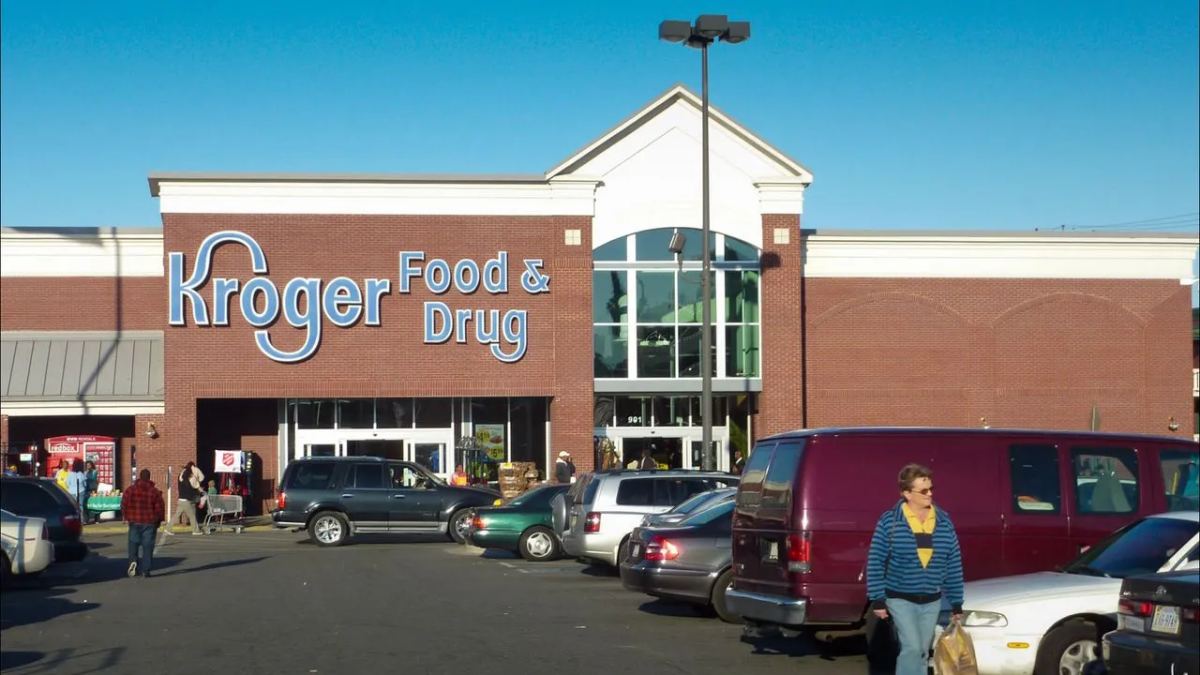
Kroger plans to eliminate approximately 3,000 corporate jobs over the next three years. Chief executive Greg Foran outlined the restructuring to employees on Monday, October 12, as one of America’s largest supermarket operators seeks to simplify its organisation and bring artificial intelligence into its operations.
The scale of the announcement needs careful qualification. These are not 3,000 immediate layoffs in grocery stores. They are corporate positions covered by a multiyear programme. Reuters, which reviewed Foran’s memo, put that workforce at roughly 8,200 people. The planned reduction therefore represents about 37% of corporate staff, rather than 37% of all Kroger employees.
Fewer management layers, greater pressure on prices
Foran argues that the company has accumulated too many decision-making layers, handoffs and overhead costs. According to Grocery Dive, which received the memo from Kroger, the aim is to create broader responsibilities and faster decisions, directing resources towards customers, employees and the shopping experience.
The commercial promise lies at the heart of the overhaul: cutting costs to create more room for lower prices and stronger competition. Walmart, Aldi, Costco and Amazon compete for spending from households scrutinising their grocery bills. The announcement, however, guarantees neither a particular price reduction nor a measurable saving for individual shoppers.
Employees are due to receive details about affected roles in the coming months. The memo does not set out a department-by-department timetable. Nor does it establish that every eliminated position will be replaced by an AI tool: Foran links technology and reduced duplication to a broader change in how the business is managed.
Profitable, but looking for renewed momentum
The latest results help explain that pressure without suggesting Kroger is facing bankruptcy. In the second quarter, which ended on August 15, the company reported operating profit of $971 million. Identical sales excluding fuel rose just 0.2%, compared with 3.4% in the corresponding period of 2025.
In September, Kroger lowered its full-year outlook for that sales measure to a range of 0.2% to 0.8%, from 1%–2%, while maintaining its adjusted profit targets. Identical sales track performance across a comparable business base; they should not be confused with the company’s total revenue.
Foran took over in February. This is not Kroger’s first workforce reduction: Reuters reported that the company cut around 1,000 corporate positions in June 2025. Those announcements cover different periods and should not be combined into a single round of layoffs this week.
Kroger’s next significant corporate milestone is its previously announced investor update on October 20. For employees, the immediate question remains which functions will disappear and when. For shoppers, the test of the transformation will be in the stores: whether a leaner administration can improve prices and service without weakening customer care.