Paris fire devastates the Marché des Enfants Rouges, a landmark of everyday city life
The historic covered market was destroyed overnight on October 11–12. No injuries were reported; the loss affects both Parisian heritage and daily life in the Marais.
Paris has lost, at least for now, one of its most distinctive places to eat, shop and meet. A fire overnight on October 11–12 devastated the Marché des Enfants Rouges, the French capital’s oldest covered food market, founded in 1615.
The city said the fire had been extinguished and no one was injured. Firefighters described destruction of the metal structure, with sections collapsing, according to reporting by Euronews and AFP. Paris Centre mayor Ariel Weil said the flames were contained without reaching neighbouring buildings.
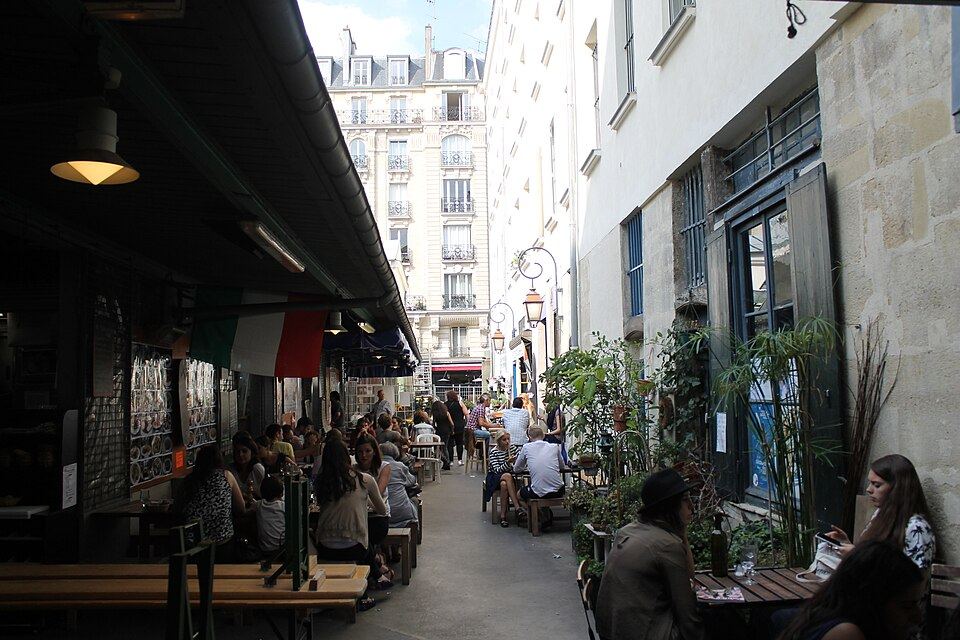
For a city accustomed to protecting monuments, the damage has a less monumental, more everyday dimension. The market on rue de Bretagne combined neighbourhood trade with a food destination used by residents, local workers and international visitors.
Four centuries beyond the postcard
Its name does not come from a recipe or the colour of the frontage. It refers to the red clothing worn by orphans at a nearby hospital founded in the 16th century. After that institution closed in 1772, the market took its name in memory of the children, according to the city’s historical account.
Listed-monument protection came in 1982, but did not guarantee a trouble-free future. In the 1990s, deterioration led to closure and a proposal to demolish the market for parking. Traders and neighbours organised to prevent that outcome. Restoration work lasted six years.
That episode helps explain what is now at stake. The market survived because a community defended its purpose and identity. Its value lay not simply in its age, but in continuing to be part of the city.
A meeting place shaped by food
In the 2000s, available stalls brought in cooks and restaurateurs. The combination of fresh produce and prepared food gave the old market hall a character that attracted travellers while continuing to serve the neighbourhood.
The city’s pre-fire account describes French, Moroccan, Lebanese, Italian, Japanese and African cooking alongside fresh-food traders. That variety explains why the loss extends beyond a roof: it disrupts businesses, routines and a place for people to gather.
For travellers planning a visit to the Marais, the fire means changing their plans. The market is no longer an available food stop, and no confirmed reopening date had been announced at the time of reporting.
The cause of the fire and the extent of recovery require further reporting. The first important fact is that there were no casualties; the next task is to rebuild without reducing the place to a frontage. At the Enfants Rouges, preserving heritage has always meant keeping a market alive.