Brazil seeks answers from Meta after Lula's campaign alleges restrictions on its reach
The Superior Electoral Court gave the company 48 hours to respond. Meta rejects the allegations as Lula and Flávio Bolsonaro contest the 25 October runoff.
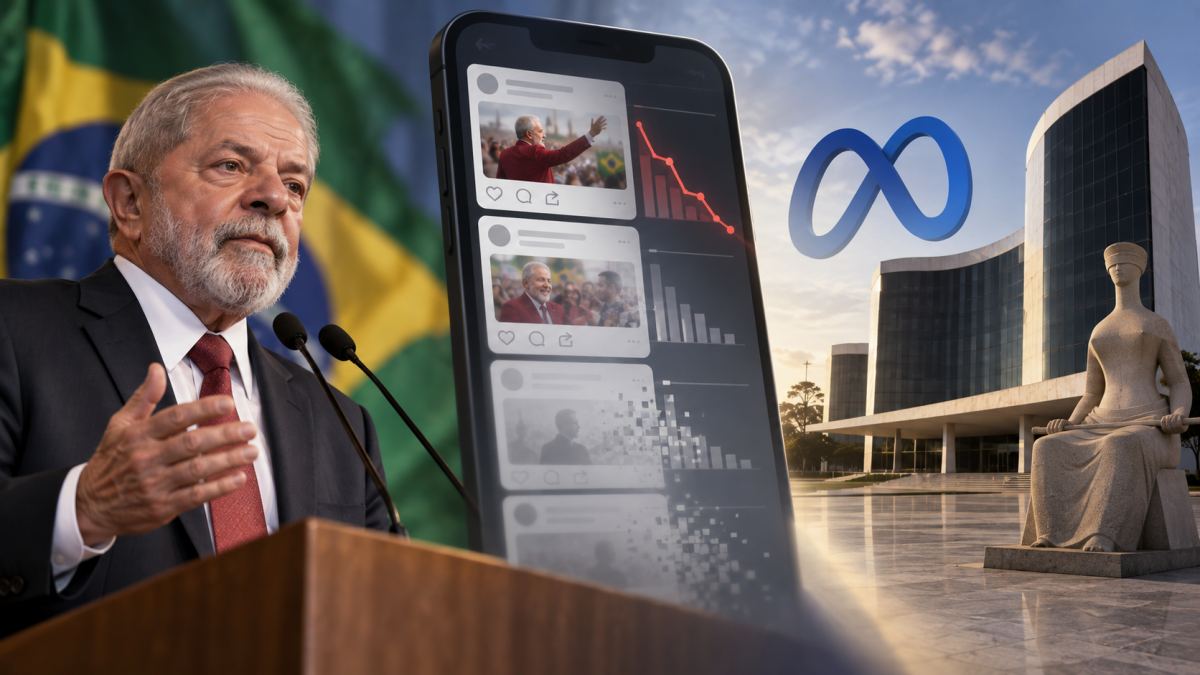
Brazil's presidential campaign has brought part of its political dispute into the workings of social media. On Saturday, 10 October, the Superior Electoral Court, known as the TSE, sought explanations from Meta after Luiz Inácio Lula da Silva's campaign alleged restrictions on the distribution of its content. The US company denied the allegations in a response sent to AFP.
The court gave Meta 48 hours to clarify the incidents identified. Its request opens an examination of how posts and advertisements were handled, but does not amount to a judicial finding that Meta interfered in the election. The runoff between Lula and Senator Flávio Bolsonaro is scheduled for 25 October.
The reach of political posts becomes an electoral issue
Lula's campaign says it encountered obstacles to promoting content on Instagram between Friday and Saturday. It also disputes other instances of reduced or interrupted reach and alleges unequal treatment compared with its opponent.
Meta, which owns Facebook, Instagram and WhatsApp, said it complies with electoral rules and rejected the allegations as unsupported by the facts. Both positions must be understood for what they are: a complaint from a candidate's campaign and the response of the company it accuses.
On Saturday, Folha de S.Paulo checked the advertising library and found eleven active promotions on Lula's Instagram and Facebook profiles. That observation provides a verifiable snapshot of the situation at that moment, but cannot reconstruct every reported incident or establish whether restrictions applied at other times.
That is the technical problem the inquiry will have to address. The number of active advertisements, the budget spent, moderation decisions and the actual distribution of content describe different aspects of a digital campaign. Comparing two candidates requires knowing what happened, for how long and according to which criteria.
An inquiry that needs comparable evidence
According to CNN Brasil reporting carried by Rádio Itatiaia, the electoral authorities also requested the methodology and materials behind analyses conducted by Agência Lupa and the Instituto Democracia em Xeque. The request seeks technical evidence before a decision on the substance of the case.
The case matters beyond Brazil because it raises a question that recurs in elections elsewhere: how much can a candidate, a regulator or a voter know about the rules that determine political visibility on a privately owned platform?
Answering that question requires distinguishing operational problems, policy enforcement and possible discriminatory treatment. Proving one does not automatically prove the others. With a vote approaching and competing accusations in circulation, transparency about the data will serve voters better than turning a suspicion into a premature verdict.