Hidden recorder at OpenAI leads to an engineer's arrest
The company reported a device found in an executive conference room. The engineer is charged with intercepting conversations; OpenAI says it has found no signs of stolen models or customer data.
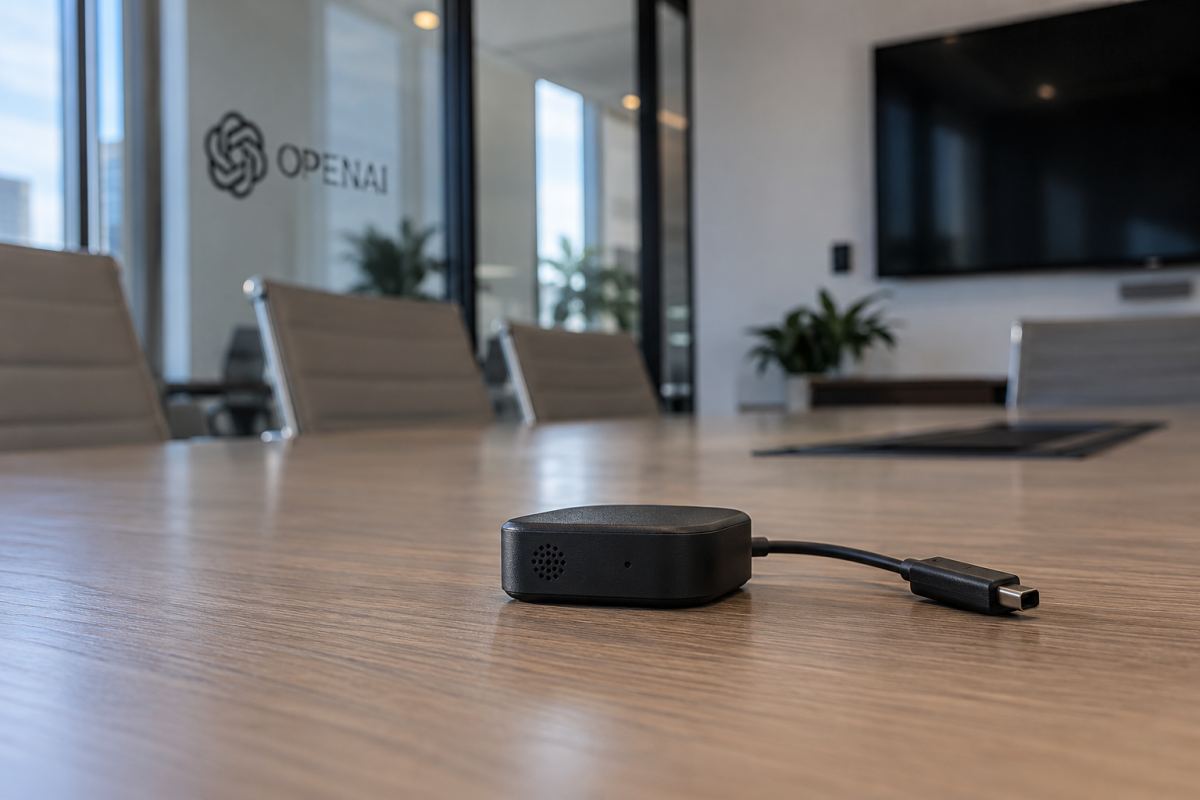
The FBI has arrested an OpenAI engineer accused of placing a hidden recording device in a company meeting room in San Francisco. The investigation points to a concrete risk for artificial intelligence laboratories: securing servers is not enough if someone can try to listen to conversations about what to research, develop or bring to market.
The Justice Department announced the charge Tuesday against Abdulrahman Alfozan, a 35-year-old Saudi national arrested on October 9. He appeared in federal court on October 13 and remains in custody. The U.S. Attorney's Office for the Northern District of California scheduled a detention hearing for October 19.
OpenAI confirmed that it found the device, reported the matter to the FBI and fired the employee. The company says it currently has no indications that he improperly accessed or extracted model weights, source code or customer data. That statement sets out the limits of the known impact; it does not resolve what may have been recorded.
A device behind a television
According to the authorities' account of the complaint, the device was discovered on September 30, plugged into a USB port behind a television in an executive conference room. It was concealed in toilet paper and contained encrypted information. Investigators place its installation around September 28.
Reuters reported that the device was roughly the size of a thumb, had a microphone and could connect to a camera. Its stored contents were inaccessible because they were encrypted, the agency said. The device and its placement form part of the evidence to be examined in the proceedings.
Prosecutors also describe a second, similar device found in the defendant's bag in another room in the building. The bag contained a wallet and identification documents. Investigators link the discovery to surveillance footage and inquiries about rooms and meetings made through a productivity tool.
Those elements underpin the investigators' case, but criminal responsibility still has to be proved in court. The announced charge concerns using or attempting to use a device to intercept oral communications. It is not an espionage conviction or confirmation that a foreign power received information.
What OpenAI says
OpenAI said it used its own models to analyze the device, trace its origins and identify the employee who, according to its investigation, had installed it. The company also says it found indications of plans to place additional devices in sensitive areas.
The public explanation does not establish how much automated analysis contributed compared with cameras, logs and the work of security personnel. Describing the case as an investigation solved entirely by AI would go beyond the available account.
Associated Press reported the company's statement that it would continue cooperating with the FBI. The agency also noted that the complaint does not specify what the employee intended to do with any communications he might have captured. His purpose remains a central unanswered question.
Conversations have legal protection, too
U.S. federal law distinguishes between intercepting a communication, disclosing it and using its contents. Section 2511 of Title 18 of the U.S. Code addresses the intentional use of a device to capture conversations under specified conditions. Prosecuting an illegal interception does not depend solely on proving that a secret was subsequently sold.
The legal definition of an oral communication includes an expectation of privacy justified by the circumstances. That helps explain why a closed conference room can matter in an investigation even if copying computer files has not been established.
The Justice Department's manual identifies intentional conduct and the conditions connecting the device or communication to federal jurisdiction among the elements of the offense. Prosecutors must establish the applicable elements, and the defense can challenge the evidence.
The U.S. Attorney's Office says a conviction could carry a maximum of five years in prison and a $250,000 fine, as well as supervised release. The statutory maximum does not predict the eventual sentence. Alfozan is presumed innocent as the proceedings continue.
Valuable information exists before it becomes code
A meeting can contain commercially valuable information before a finished product exists. Research decisions, priorities and potential partners can matter to a competitor without anyone downloading an entire model. The case highlights the intersection of physical security and information protection.
In its 2023 statement on frontier risks, OpenAI already described protecting its technology, intellectual property and data through technical, administrative and organizational controls. It cited audits, penetration testing and security reviews. Those were commitments made before this incident, not an independent assessment of how they performed in this case.
The investigation raises a broader question for the industry: what access does each employee actually need, and how should sensitive conversations be protected? The next hearing will address the defendant's custody status. Establishing the extent of any recording and its purpose will require further work in an investigation that remains open.