Gio Benitez reveals coronary artery disease diagnosis after a heart scan
The 41-year-old ABC News journalist said a CT scan detected calcium buildup in his arteries. He has started treatment and shared his experience to encourage others to discuss their cardiovascular health with their doctors.
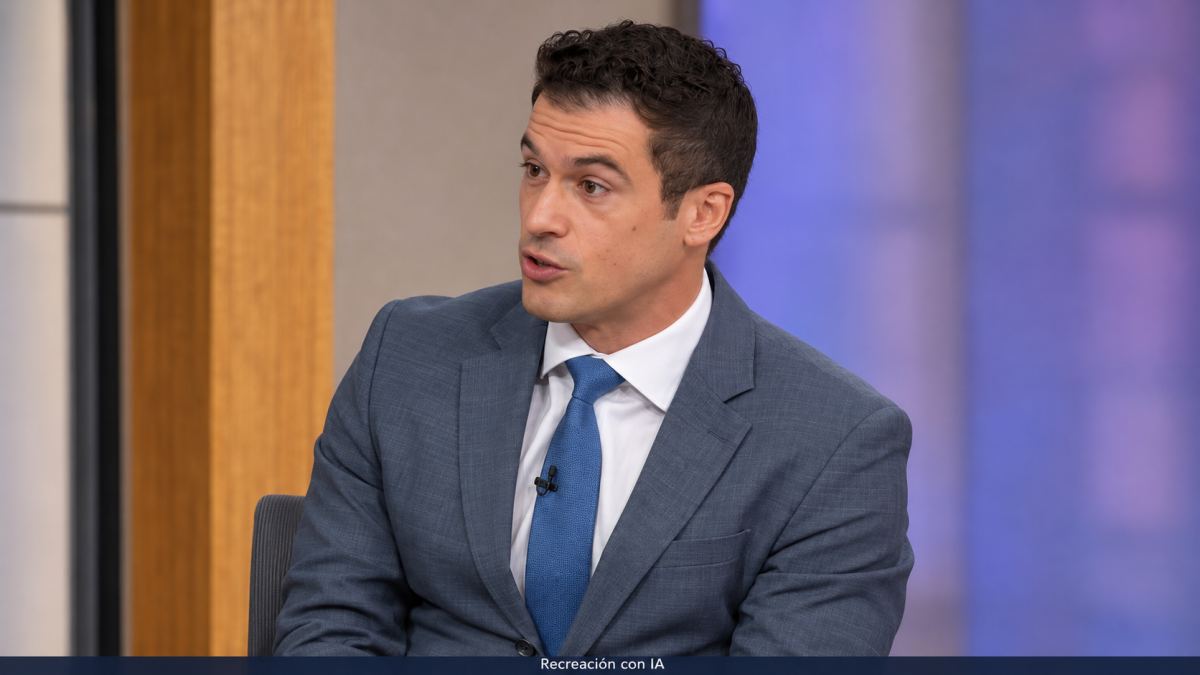
Gio Benitez, co-anchor of the Sunday edition of Good Morning America and ABC News’ transportation correspondent, has revealed that he was diagnosed with coronary artery disease after undergoing a scan to detect calcium in the blood vessels supplying his heart.
The 41-year-old journalist told People he received the diagnosis in early November 2026. The news surprised him: he felt well, exercised regularly and had previously undergone a stress test that showed no problems. But a family history of heart disease had long worried him.
Benitez said he had begun treatment and that, after a week, blood work showed a response his doctor considered encouraging. In the interview, he said he felt very well and that the results had helped put his mind at ease.
On November 17, Good Morning America also aired a segment about his diagnosis. Benitez told People he decided to share his experience to encourage others to talk with their health care professionals about family history and cardiovascular risk, even when they feel healthy.
A concern rooted in family history
Benitez described heart problems affecting several relatives. His grandmother died of a heart attack at 61, and an aunt and two uncles also died after heart attacks, he said. On the other side of his family, a grandfather underwent coronary bypass surgery.
That history prompted a conversation with Tara Narula, a cardiologist and ABC News medical correspondent. Benitez raised his concerns while they were working on a heart-health story, roughly a year before the interview.
Narula reviewed his medical history and recommended a coronary artery calcium scan. Benitez said work commitments led him to postpone the appointment, and he eventually forgot about it for a time. A few weeks before going public, he decided to have the scan.
The results arrived the following morning. His calcium score was 137, indicating calcium in his coronary arteries. Doctors interpret that number alongside the patient’s other health information.
What coronary artery disease means
The coronary arteries carry blood and oxygen to the heart muscle. Coronary artery disease can develop when plaque builds up in their walls. Plaque contains substances including fat, cholesterol and calcium; over time, it can narrow the arteries and restrict blood flow.
Some people have no symptoms for years. Others may experience chest pain or pressure, particularly when the heart needs more oxygen. If an artery becomes blocked and part of the heart muscle no longer receives enough blood, a heart attack can occur.
Plaque buildup can increase the risk of future problems. According to Benitez’s public account, his condition was detected during a preventive assessment, and he is receiving medical care. Narula told People that a calcium score does not, by itself, establish how severely his arteries have narrowed.
Why the stress test did not detect the plaque
Benitez said an earlier stress test had produced no cause for concern. Narula explained to People that a stress test and a calcium scan provide different information.
A stress test assesses how the heart responds when it works harder, such as during exercise. A calcium scan, by contrast, uses CT imaging to detect calcified deposits in the coronary arteries. Someone can have plaque in their arteries while still having a normal stress test result.
The calcium score reflects the amount and density of calcium detected; it is not a percentage of blockage. In general, higher scores are associated with more calcified plaque and greater future cardiovascular risk. Age, medical history and other factors also matter when interpreting the result.
The scan uses a low dose of radiation. According to the American Heart Association, it can help guide preventive treatment decisions for selected patients, but it is not necessary for everyone. People with symptoms such as chest pain may require other assessments.
The role of family history
Healthy habits matter, but they are not the only influence on heart disease risk. Age, blood pressure, cholesterol, diabetes, smoking and family history are among the factors health care professionals consider.
In Benitez’s case, his family history was one reason Narula recommended looking further. The interview reported that he exercised, did not smoke and had no history of diabetes or high blood pressure. His cholesterol levels had generally been in a healthy range.
Having relatives who suffered heart attacks does not mean someone else will inevitably have one. It is, however, useful information for a medical consultation, particularly when problems occurred at a young age. Knowing which relatives were affected, how old they were and what happened can help inform a risk assessment.
The 2026 U.S. cholesterol-management guidelines include selective use of coronary calcium scans to refine risk assessments when preventive treatment decisions are uncertain. They identify a potential role for the test in men aged 40 and older and women aged 45 and older, depending on the clinical circumstances.
Treatment and follow-up
Benitez said he is receiving treatment, but the interview did not identify his medications or dosages. His doctor explained that the aim is to reduce the risk of future problems and monitor the condition over time.
In general, coronary artery disease treatment may include cholesterol-lowering medicines such as statins, alongside measures involving diet, physical activity and other risk factors. The choice depends on the patient’s medical history and the health care team’s assessment.
A calcium score alone cannot predict when a heart attack will happen or determine the treatment someone needs. It is used together with other tests, medical history and a discussion between the patient and their health care professional.
The diagnosis also took an emotional toll on Benitez. He said he experienced panic attacks at night for about a week and thought about the relatives he had lost. After learning the initial results of his treatment, he said he felt calmer.
When to seek emergency help
Coronary artery disease can go unnoticed, but symptoms of a possible heart attack require immediate attention. They include chest pressure or pain that lasts several minutes or returns, shortness of breath, and pain in one or both arms, the back, neck or jaw. Cold sweats, nausea or lightheadedness may also occur.
The U.S. Centers for Disease Control and Prevention advises calling 911 immediately for signs of a possible heart attack. In other countries, call the local emergency number. Urgent symptoms should not wait for a preventive appointment or a coronary calcium scan.
For Benitez, sharing the diagnosis has a specific purpose: encouraging people to learn their family’s health history and discuss it with a doctor. His own experience began with that conversation, before the scan revealed calcified plaque.