Poland arrests man suspected of planning an attack on Donald Tusk
The alert mobilized security services on Sunday. The investigation comes amid a week of school violence, but authorities have not established a connection between the two matters.
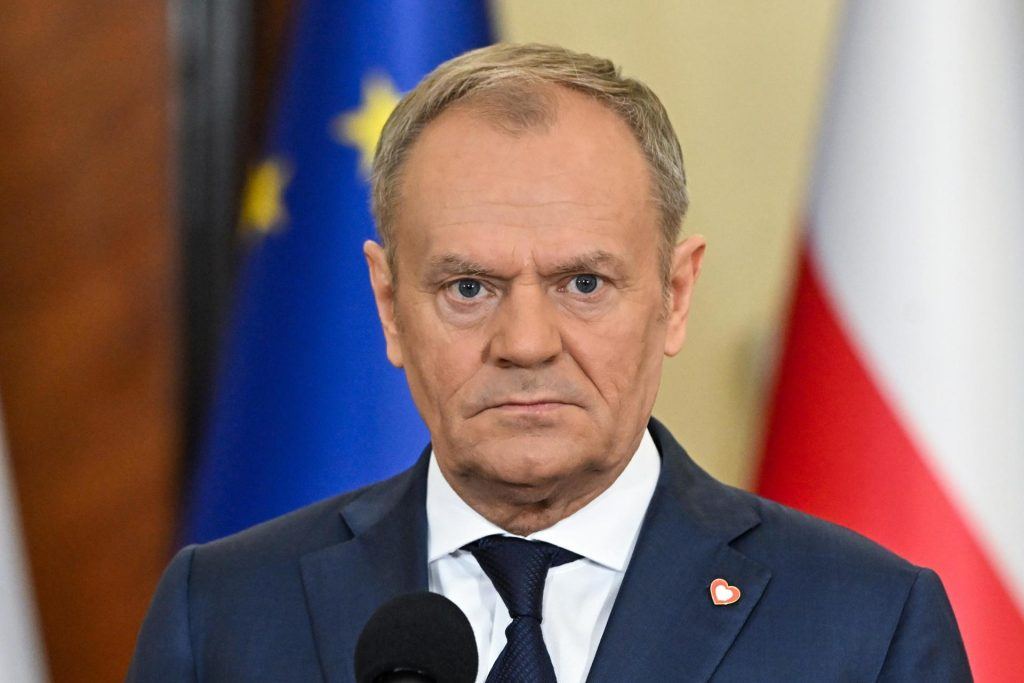
Polish authorities arrested a man suspected of threatening and planning an attack on Prime Minister Donald Tusk, Interior Minister Marcin Kierwiński said on Sunday, 11 October. That announcement did not disclose the suspect's identity or the type of attack he allegedly planned.
The arrest followed an alert about possible attacks on Tusk and Defense Minister Władysław Kosiniak-Kamysz. Security services, police and Interior Ministry representatives held an emergency meeting to assess the information and coordinate their response.
Two emergencies requiring separate investigations
The alert comes during a week marked by knife attacks at educational institutions in Poland. Deutsche Welle reported three incidents in four days, including one in which a school employee died. The succession of attacks has prompted the government to strengthen prevention measures and examine the circulation of violent content online.
These are separate investigations. The available information about the threat to the leaders does not establish a connection with the school attacks, nor does it justify attributing the threat to a foreign government. The suspect's identity, means and motivation will be important in determining its scope.
In a statement issued on Sunday, the prime minister's office said the response to school violence includes police checks, monitoring of online threats, response guidance and psychological support for students, families and teachers.
The government reported around 65,000 checks and 117 detentions, mainly involving people aged 13 to 19, for matters such as threats or possession of dangerous objects. Those figures relate to the prevention operation at educational institutions; they do not describe a network connected to the alleged attack on Tusk.
Public security under pressure
Poland's response combines an immediate need to protect those under threat with a broader challenge of prevention. Addressing threats online requires distinguishing criminal behavior, warning signs and the spread of content that may encourage further attacks.
The government itself argues that protecting minors requires cooperation between public services, schools and parents. Police intervention can address a specific threat; maintaining prevention also depends on schools being able to recognize and report dangerous situations and having support available.
For Poland's European partners, the important developments now will be the outcome of the investigation into the suspect and the information authorities choose to release. The arrest confirms that police acted on the threat; it does not yet establish who organized it, how it was to be carried out or whether others were involved.